Module 1: Researching College Options
Public Colleges & Universities
Public colleges are funded by state governments, which means they typically offer lower tuition rates for in-state residents.
They often have a wide range of degree options, larger campuses, and diverse student bodies.
Many have honors colleges or smaller learning communities within big universities.
Students who live in the same state usually qualify for in-state tuition, while out-of-state students pay a higher rate.
Some states have agreements (like tuition reciprocity programs) that allow nearby residents to pay in-state rates at certain schools — it’s worth checking!
Note: In Texas, there are limited tuition reciprocity options. For graduate programs, the Academic Common Market (ACM) allows Texas residents to pay in-state tuition at certain public universities in Southern states when a specialized program is not offered at a Texas public institution. At the undergraduate level, Texas also offers Bordering States Waivers for students from nearby states—such as Arkansas, Louisiana, New Mexico, and Oklahoma—at specific programs or institutions. These options vary by university and program, so it’s important to confirm eligibility directly with the institution.

Private Colleges & Universities
Private schools don’t rely on state funding, so their tuition is usually higher. However, don’t let the sticker price scare you — private colleges often provide significant scholarships or need-based aid that can make them surprisingly affordable.
They tend to be smaller, offering more individualized attention and smaller class sizes.
Many private schools have a specific focus, like liberal arts, faith-based education, or specialized fields (e.g., business, music, or engineering).
Their missions and values often shape the learning environment, so research whether they align with what’s important to you.

Out-of-State Schools
Attending college in another state can be an exciting adventure — but it often comes with higher tuition and added expenses.
Tuition: Out-of-state students pay more because they don’t contribute to the state’s taxes that help fund the school.
Travel Costs: Think about how often you’d like to visit home and how transportation might add up over time.
Residency Rules: You can’t always switch to in-state tuition after moving — most states require you to live there for a full year without attending college first.
Experience: You’ll get to experience a new culture, environment, and network — which can be incredibly rewarding if you’re ready for that change.
Ask yourself: How comfortable are you living far from family and friends? What kind of support system will you have in a new state?
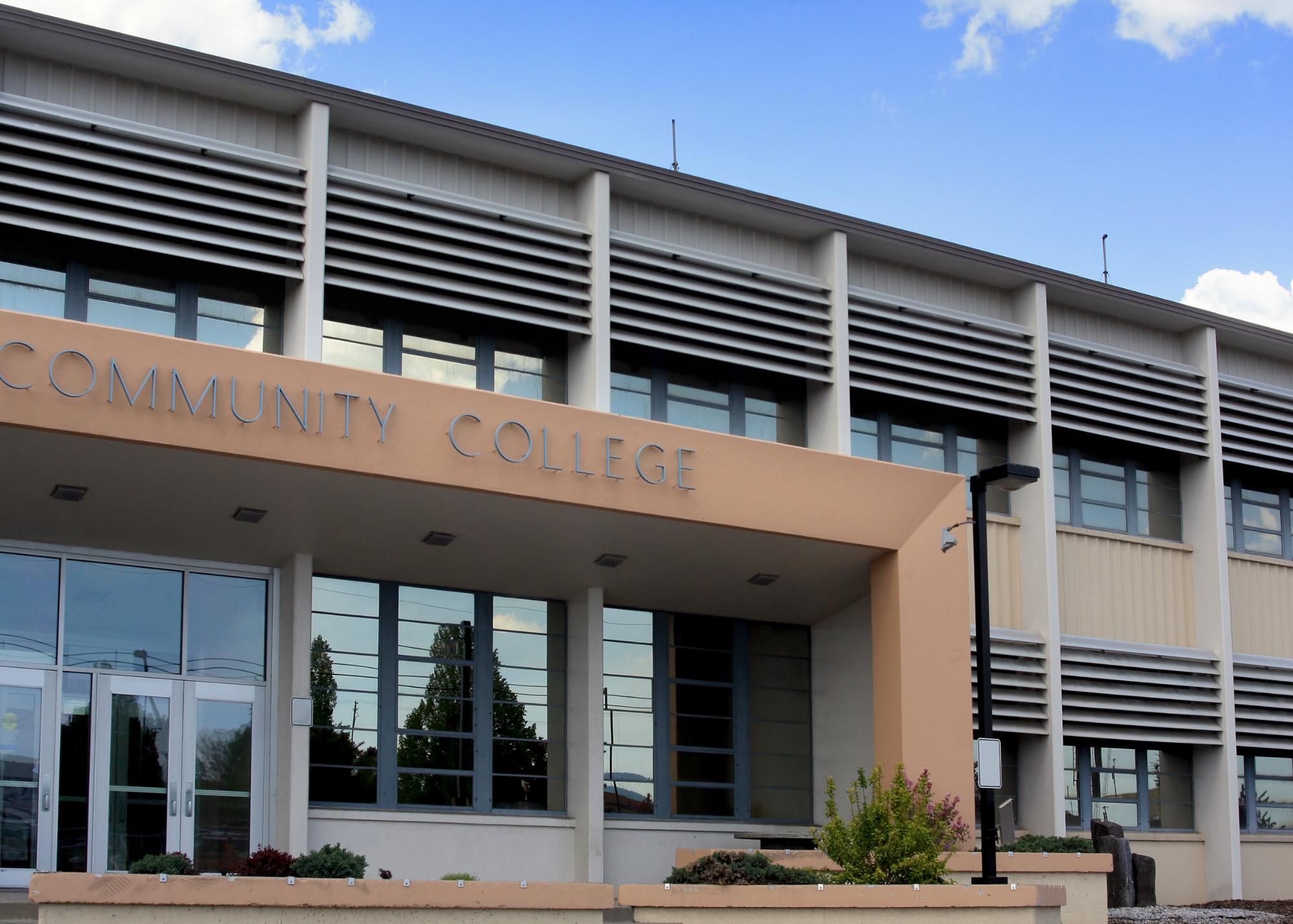
Which type of college feels most realistic and most exciting for you right now — and what steps can you take to make that choice possible?
Community Colleges
Community colleges offer a smart, affordable way to start your higher education journey.
You can earn an associate degree or complete general education requirements, then transfer to a four-year university to finish your bachelor’s degree.
Many have partnerships (called articulation agreements) with universities that make transferring credits easier.
Community colleges also provide flexible schedules for students who work or have family responsibilities.
Tip: If cost is a concern, consider completing your first two years at a community college — you’ll save money and gain confidence before transferring.
Ask yourself: If money wasn’t a factor, where would I go? Now, which schools still align with my goals when I include cost, location, and support systems?
Explore Texas Colleges by Program & Location!
If you want a quick way to explore colleges based on your interests, program, or distance from home, try this free tool: My Texas Future – Program Explorer
Browse Texas colleges and programs by ZIP code, major, credential type, or commute distance. No login required — perfect for comparing options quickly.
This tool is great for getting an overview. For exact costs, each college has a Net Price Calculator — estimates will vary by your financial situation.
-
Explore Texas Colleges & Programs with this tool from the Texas Workforce Commission to look up information on public universities, private colleges, community colleges, and technical programs across Texas.
Texas Career Check — School Information Explorer
Search by school name, location, or program to learn about admissions, majors, costs, and more.
Note: This tool helps you learn about each school, but always double-check admission requirements and deadlines on the school’s official website.